
 Dr. Kristina Hinrichs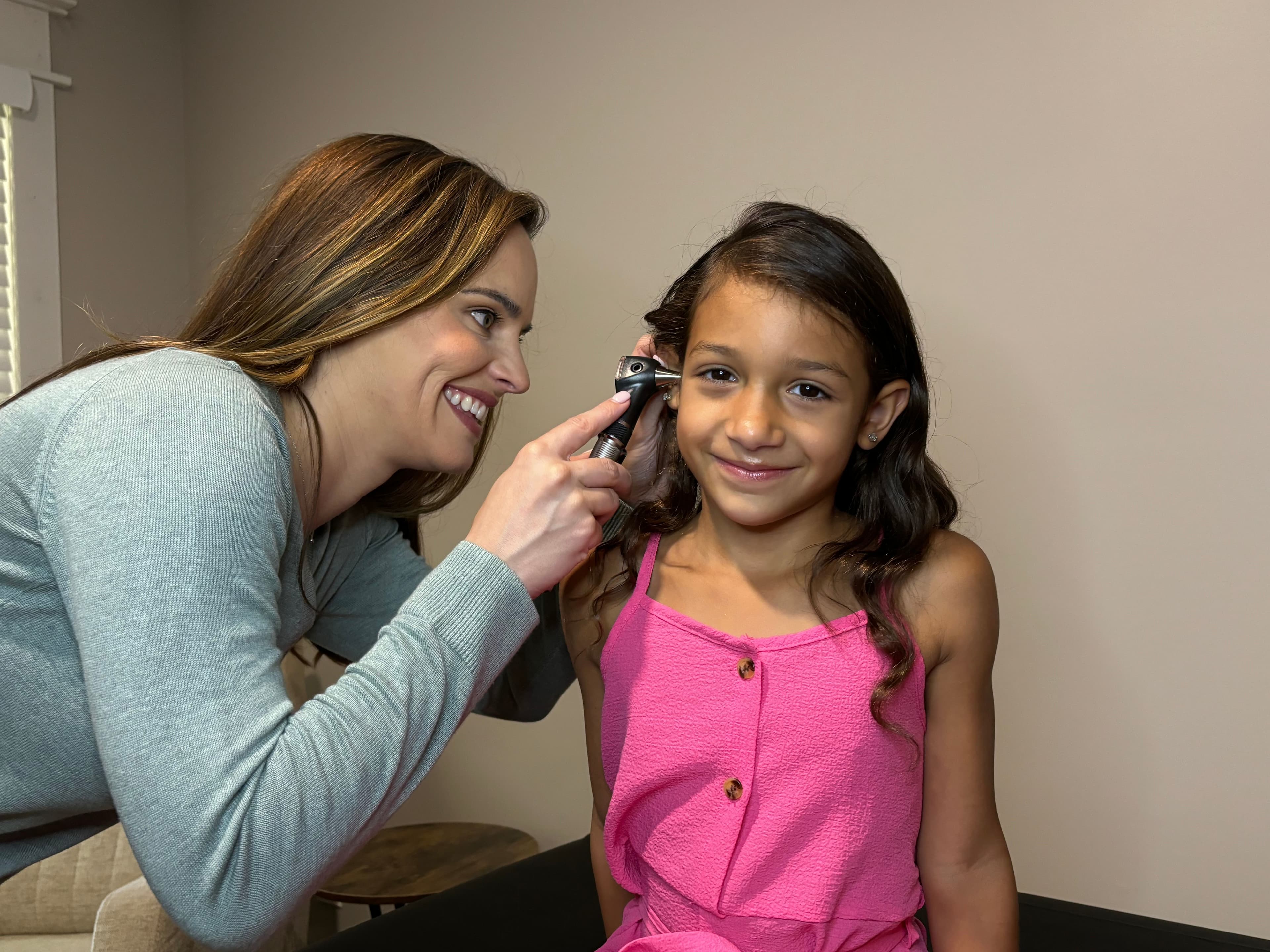
When to "Watch and Wait" with Ear Infections
Ear infections are one of the most common reasons children visit the pediatrician—and one of the most misunderstood. Many mild ear infections get better on their own, which is why in certain cases, your pediatrician may recommend a short period of "watchful waiting."
What Is "Watchful Waiting"?
This approach means carefully observing your child for 2–3 days before starting antibiotics. It's most often recommended when:
-
Your child is over 2 years old
-
Symptoms are mild (mild ear pain, low or no fever)
-
Your child is otherwise healthy and alert
Why It's Often the Best First Step
Most children recover naturally. Studies show most mild ear infections improve without antibiotics.
Key Benefits:
-
Avoiding unnecessary antibiotics. Antibiotics can cause side effects like diarrhea, vomiting, or rashes, and overuse contributes to antibiotic resistance.
-
Pain control is key. The main goal during this time is to keep your child comfortable. Acetaminophen (Tylenol) or ibuprofen (Motrin) can help relieve pain and fever.
What Parents Can Do
-
Give pain medicine as directed.
-
Watch for signs your child is getting worse: increased pain, higher fever, trouble hearing, or new drainage from the ear.
-
If symptoms do not improve after 2–3 days—or if they worsen—contact your pediatrician. That's when antibiotics may be needed.
When to Start Antibiotics
-
No improvement after 48 hours despite good pain control
-
Fever over 102°F
-
New or worsening symptoms
A Note for Core Care Pediatrics Families 💛
One of the most stressful parts of managing an ear infection is not knowing when to worry. As a Core Care Pediatrics member, you have direct access to your pediatrician—you can text or email updates anytime.
If you have a digital ear scope at home, you can even send a quick photo or video so we can decide together whether antibiotics are truly needed. That means less guessing, fewer unnecessary prescriptions, and peace of mind for you and your child.